
The “Time-Poor” Reality: Shawn Layden on Why the 100-Hour Epic is a “Mismatch” for Modern Players










Popular Now
 R.E.P.O
 CarX Street
 Auto X Drift Racing 3
 Poppy Playtime
Sonic the Hedgehog™ Classic
Poppy Playtime
Sonic the Hedgehog™ Classic
 Schedule I
 Stumble Guys
FIFA 23
Stumble Guys
FIFA 23
 Among Us
 Rust
Rust
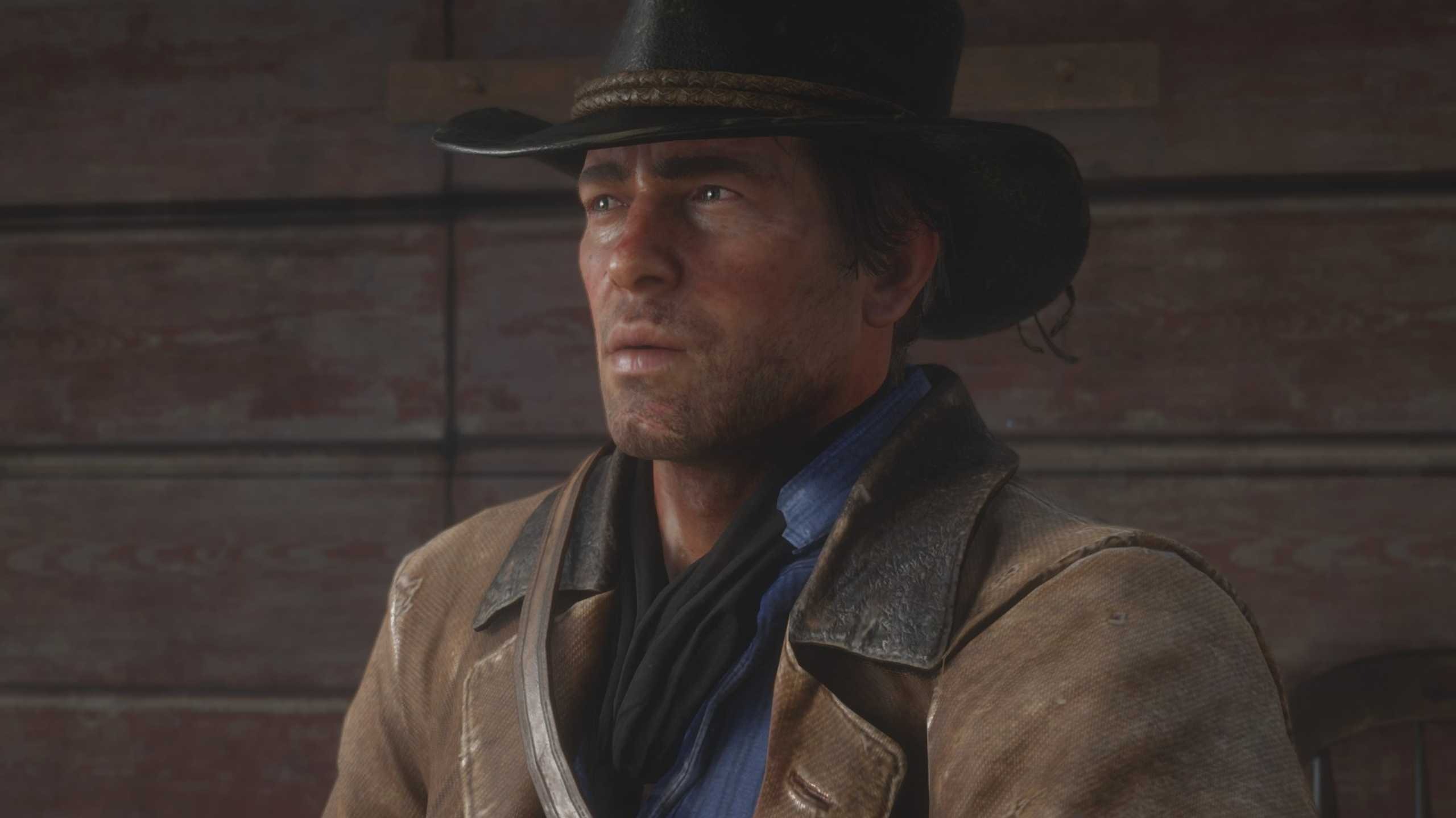
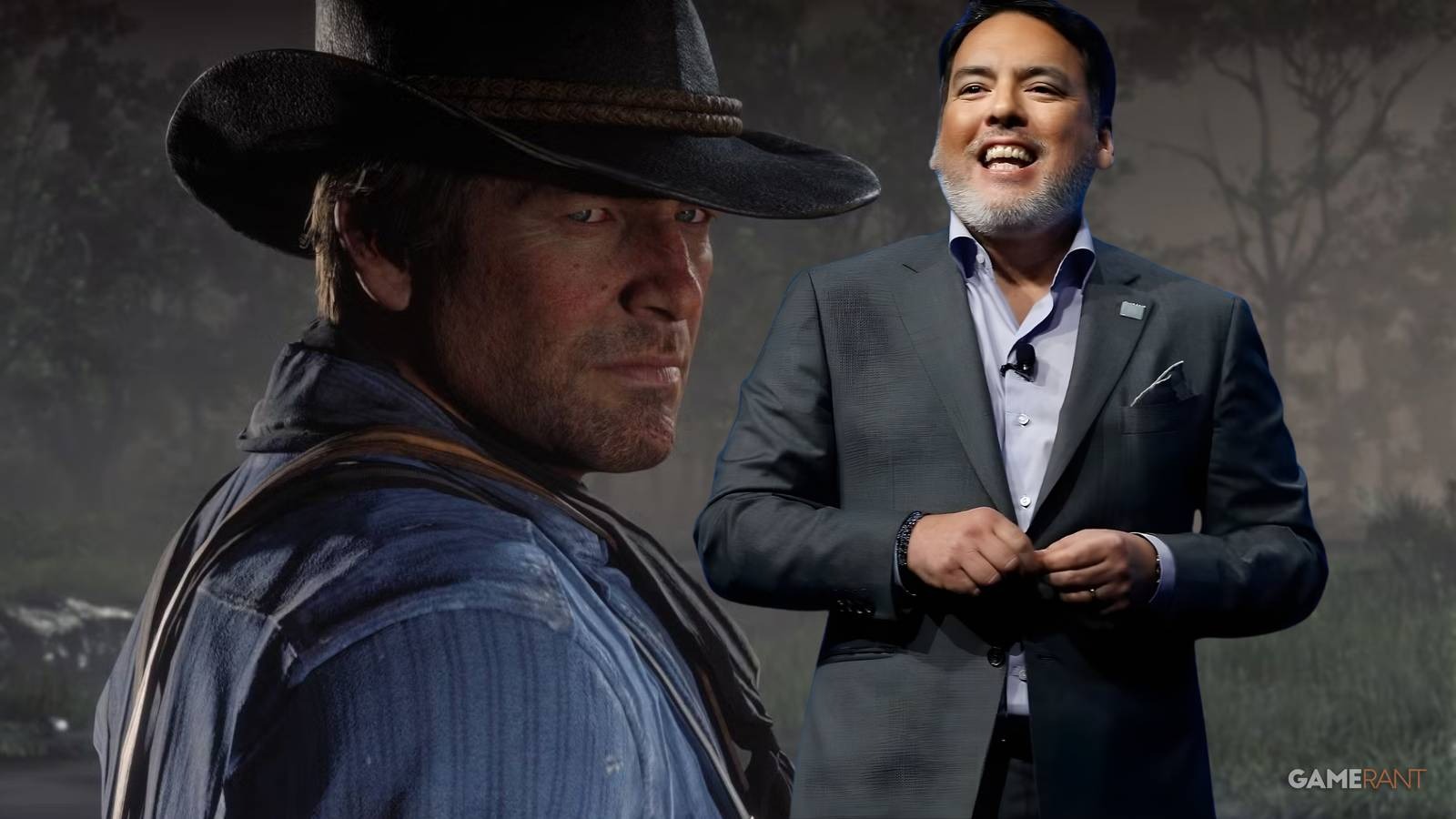
In a viral interview on Game Rant’s Character Select podcast in late December 2025, former PlayStation Chairman Shawn Layden doubled down on his long-standing critique of the AAA gaming industry. His most discussed point focused on the “ballooning” length of modern games, using a specific Rockstar classic to illustrate his point: “Not everybody has 88 hours to play Red Dead Redemption 2.”
Layden argues that while the industry is obsessed with “more”—more photorealism, more map size, and more gameplay hours—it has fundamentally lost touch with the demographic that actually has the money to buy these games: adults with jobs.
1. The “Time-Rich vs. Money-Poor” Swap
Layden’s philosophy is built on a simple demographic shift. He believes the gaming industry is still using a marketing metric from the 1990s that no longer applies to the core audience.
-
The Old Metric: In the PS1/PS2 era, the average gamer was 18 to 23. These players were “time-rich but money-poor,” meaning they wanted a single game to last months because they couldn’t afford a new one.
-
The New Reality: In 2025, the core console audience is in their 30s, 40s, and 50s. They are now “money-rich but time-poor.”
-
The “Shrink-Wrap” Syndrome: Layden admitted that he personally has Red Dead Redemption 2 sitting on his shelf, still in the shrink-wrap. “I haven’t even opened it because I don’t have 90 hours. And I’m retired, and I still don’t have 90 hours,” he remarked.
2. The Hidden Cost of the “Final Level”
Layden raised a provocative question about the financial waste involved in creating massive epics. If completion data shows that only 50% of players finish a game, then publishers are spending millions of dollars on content that half their customers will never see.
“What would Coppola do if he knew you were going to walk out halfway through The Godfather? He’d edit it differently. I want a movement that gets more people to finish games, where it’s not so onerous they have to spend three months doing it.”
Layden’s “Ideal” Game Specs for 2026
If Layden were still running a major studio today, he suggests a pivot toward a more sustainable “Double-A+” model:
| Feature | Current AAA Trend | Layden’s Proposal |
| Playtime | 60 – 100+ Hours | 20 – 25 Hours |
| Dev Cycle | 5 – 7 Years | 2 – 3 Years |
| Budget | $200m – $400m | “Double-digit millions” ($50m–$80m) |
| Focus | Map Scale & Realism | Compelling, “Unputdownable” Gameplay |
 3. The “Cathedral” Metaphor
Layden compared modern AAA development to the building of cathedrals in the 18th century—massive, beautiful edifices that eventually became too expensive and time-consuming to sustain.
-
The Death of Risk: When a game costs $300 million to make, a studio cannot afford to be creative or take risks. This leads to “safe” sequels and endless clones of successful formulas (like the “Fortnite-ification” of shooters).
-
The Quality Trap: Layden admitted that even during his tenure at Sony, his teams made 80-hour games that “weren’t always 100% quality hours,” noting that much of that time is often spent “running across the same field.”
4. Is the Industry Listening?
While Layden’s comments resonate with “fatigued” older gamers, the market remains divided. Hits like Baldur’s Gate 3 and Elden Ring prove that players will invest 100 hours if the depth is there. However, Layden’s warning is less about those rare masterpieces and more about the “average” blockbuster that adds 40 hours of “filler” just to justify a $70 price tag.
Conclusion: A Return to the “Tight” Experience?
Shawn Layden isn’t asking for games to be “worse”; he’s asking for them to be shorter and tighter. By aiming for the 25-hour mark, he believes developers could release games more frequently, reduce staff burnout (crunch), and create experiences that players can actually finish before the next big title arrives.
Would you like me to look into the “Short Form” games currently trending in 2025, such as Expedition 33, to see if any studios are actually following Layden’s advice?