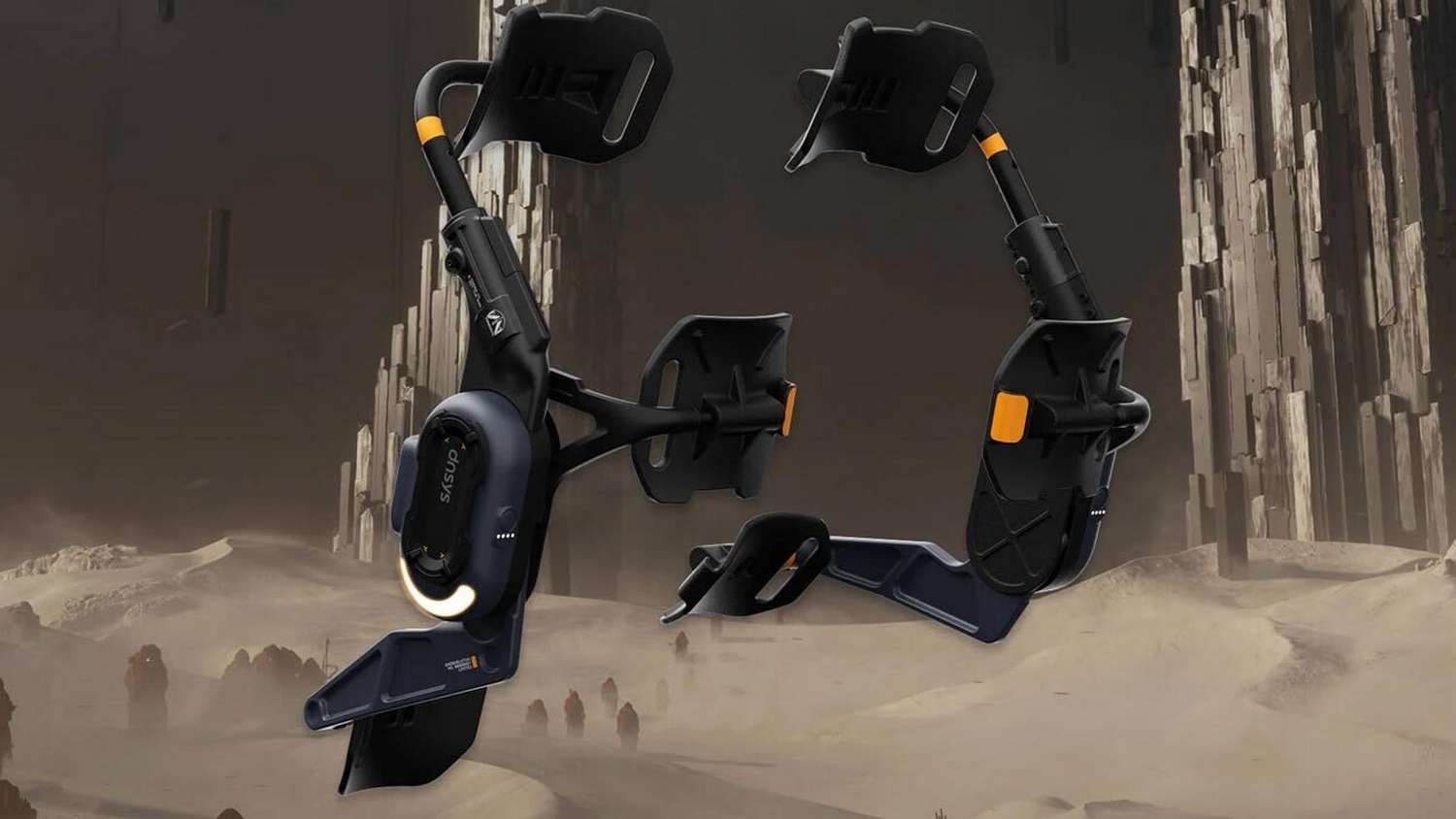
Death Stranding 2: On the Shoulders of Giants – Unpacking the Real-World Exoskeleton Technology and Its Future Economic Impact










Popular Now
 FIFA 23
 Poppy Playtime
 Free Fire
 Call of Duty
 NBA 2K24
 Sonic the Hedgehog™ Classic
 Minecraft
 Candy Crush Saga
 Toca Boca World
 Garena Free Fire: Kalahari
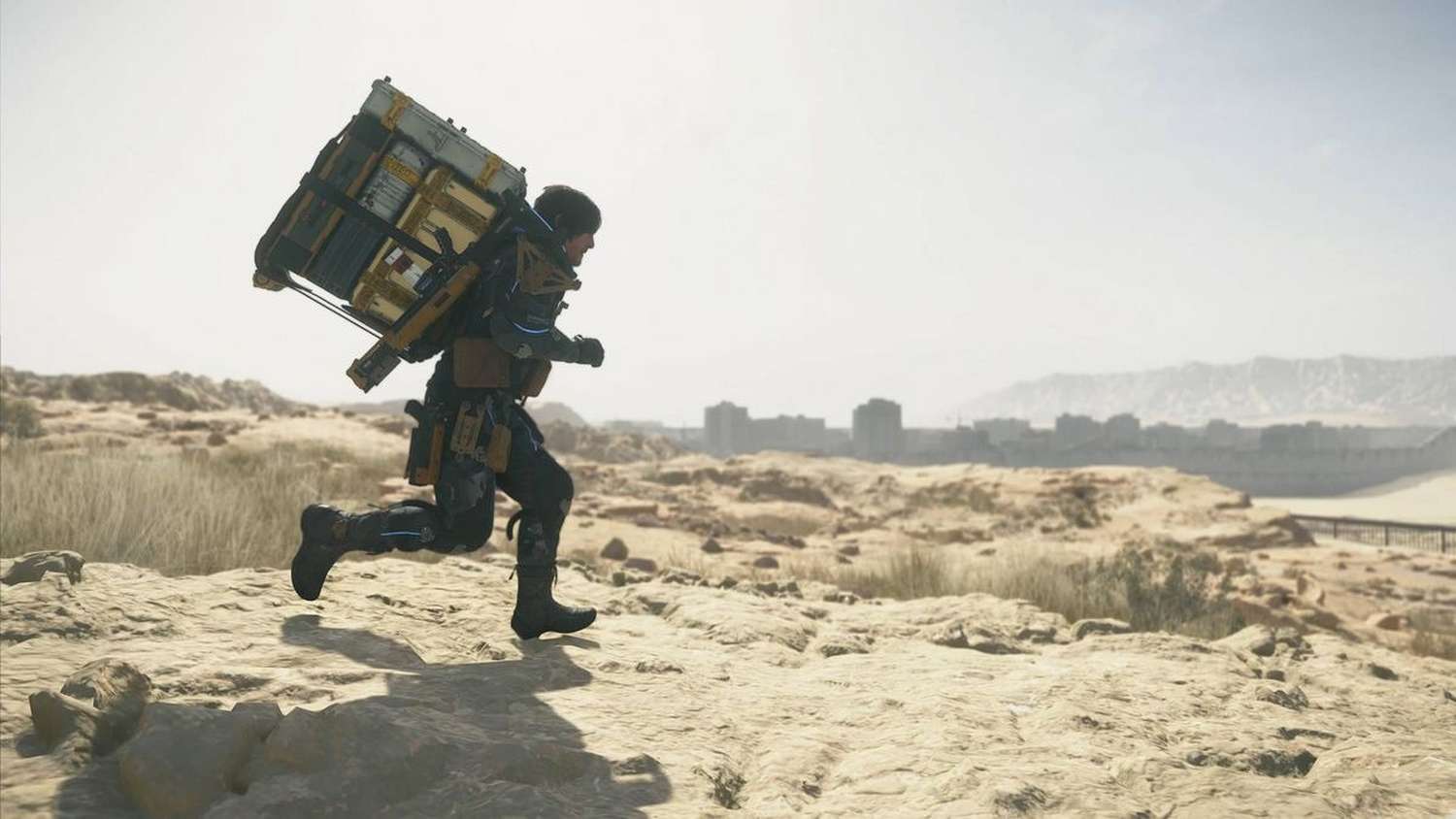 The Convergence of Fiction and Fact: Death Stranding 2’s Exoskeleton and Real-World Advancements
Hideo Kojima’s upcoming magnum opus, Death Stranding 2: On the Beach (DS2), continues to push the boundaries of narrative and gameplay, cementing its place as one of the most anticipated titles in next-generation gaming. A recurring theme in Kojima’s work is the seamless blend of speculative fiction with emerging real-world technologies, and DS2 appears to double down on this philosophy. Central to its innovative design are the advanced exoskeletons employed by its protagonist, Sam Porter Bridges. While these wearable devices are undeniably integral to the game’s unique ‘strand game’ mechanics, the intriguing question arises: how much of this sophisticated exoskeleton technology is rooted in reality, and what might be the hypothetical economic implications and cost analysis of such advancements?
Kojima Productions has consistently demonstrated a meticulous attention to detail, often drawing inspiration from contemporary scientific research and engineering feats. The exoskeletons in the Death Stranding universe are not merely fantastical constructs; they mirror ongoing progress in wearable robotics, biotech advancements, and augmented human performance. This article delves into the tangible connections between DS2’s fictional gear and the cutting-edge of physical rehabilitation, industrial support, and military enhancement, while exploring the elusive concept of their real-world manufacturing and market value.
Hideo Kojima’s Vision: Blurring the Lines Between Gaming Innovation and Reality
Hideo Kojima is renowned for his visionary approach, consistently infusing his games with elements that feel both futuristic and eerily plausible. From the complex geopolitical narratives of the Metal Gear Solid series to the environmental themes of the original Death Stranding, his creations often serve as a mirror reflecting societal anxieties and technological aspirations. DS2, with its focus on further exploration and connection in a desolate world, naturally elevates the role of assistive technology. The exoskeletons worn by Bridges – designed for traversing treacherous terrain, carrying immense cargo, and enhancing combat capabilities – are prime examples of this speculative yet grounded approach to game development.
The trailers and developer insights for DS2 hint at even more sophisticated iterations of these suits, suggesting improvements in power efficiency, durability, and adaptive intelligence. This constant evolution within the game universe directly parallels the rapid pace of innovation in the real-world robotics industry. For players and technology enthusiasts alike, understanding this interplay between imaginative design and scientific possibility deepens the immersive experience and highlights the game’s unique position in the gaming innovation landscape.
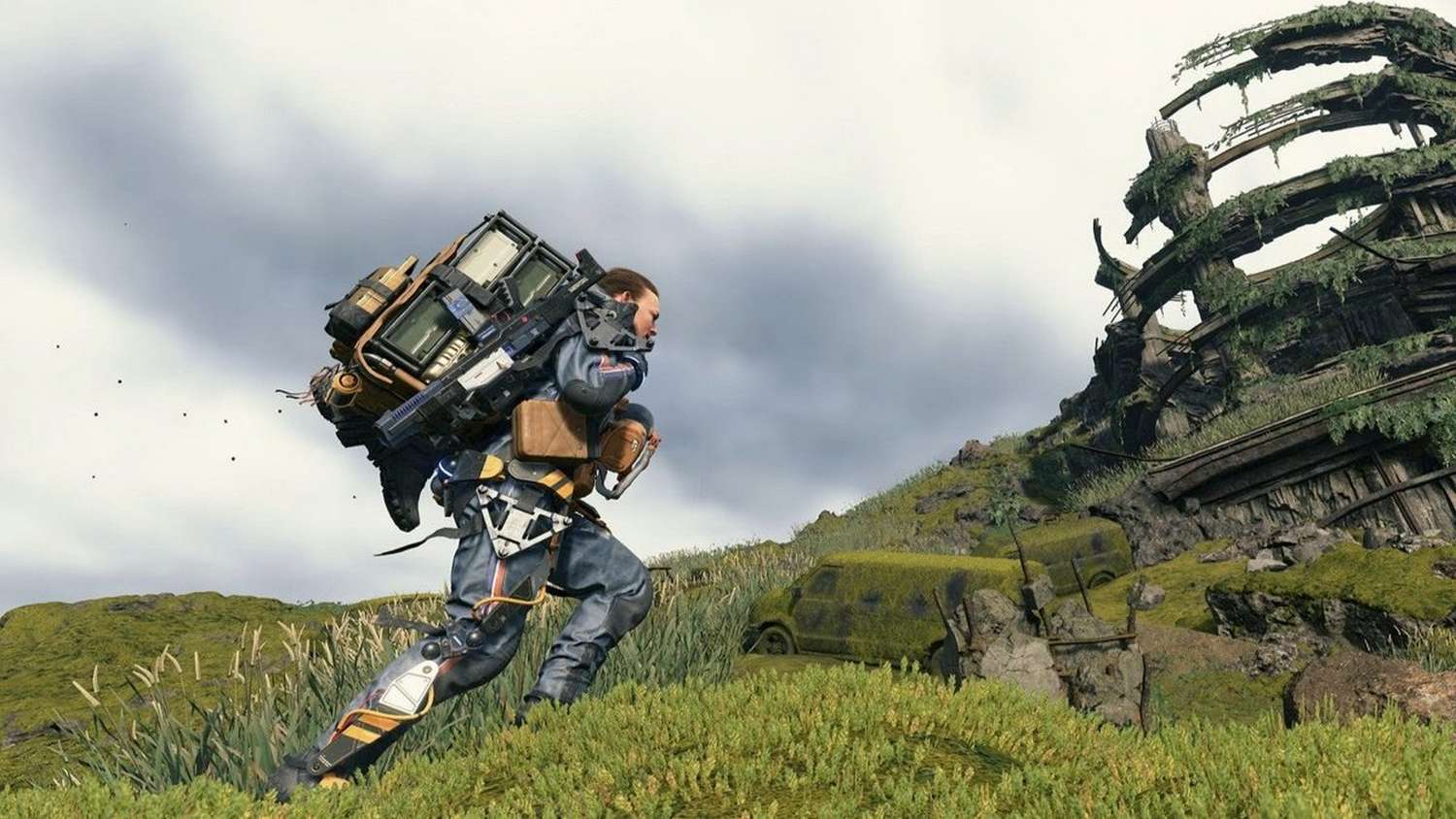 The Exoskeleton in Death Stranding 2: A Pillar of Gameplay Mechanics
In the world of Death Stranding, exoskeletons are indispensable tools, not just aesthetic additions. They are crucial for gameplay mechanics, enabling Sam to navigate the fragmented landscape of America, deliver vital supplies, and confront supernatural threats. The primary functions observed include:
- Enhanced Mobility: Facilitating traversal over uneven and hazardous terrain.
- Increased Carrying Capacity: Allowing players to manage significantly heavier loads, a core aspect of the ‘porter’ experience.
- Combat Augmentation: Providing improved stability, strength, and potentially defensive capabilities in skirmishes.
- Environmental Adaptation: Protecting the wearer from harsh weather conditions and Timefall effects.
Each iteration of these devices within the game typically comes with different specializations – speed, power, or all-terrain utility – offering players strategic choices that impact their console gaming experience. The game challenges players to manage the power cells and maintenance of these crucial tools, adding another layer of realistic resource management to the fantastical setting. This tangible integration of advanced tech into the core loop of the game is a hallmark of Kojima’s design philosophy.
Real-World Exoskeletons: The Science Behind the Fiction
While DS2 exists in a fantastical post-apocalyptic setting, the concept of wearable robotic frames is very much a tangible reality. Significant strides have been made in real-world exoskeleton technology across several sectors:
- Medical Rehabilitation: Devices like the ReWalk and Ekso Bionics exoskeletons are transforming lives by enabling individuals with spinal cord injuries to walk again. These medical-grade systems focus on restoring mobility and improving quality of life, often leveraging complex sensor arrays and motorized joints.
- Industrial and Workplace Safety: Companies like Sarcos Robotics and Hyundai are developing industrial exoskeletons to assist workers in physically demanding roles. These suits can augment strength, reduce fatigue, and prevent injuries for tasks involving heavy lifting, repetitive motions, or overhead work in manufacturing plants, construction sites, and logistics operations. This segment of wearable technology investment is growing rapidly as companies seek to improve efficiency and worker well-being.
- Military and Defense: Programs such as Lockheed Martin’s HULC (Human Universal Load Carrier) have explored military applications, aiming to reduce the physical burden on soldiers carrying heavy equipment over long distances. While full combat-ready exosuits remain largely in the realm of prototypes and research, the potential for enhanced endurance and protection is immense.
The engineering principles behind these devices—actuators, sensors, power sources, and control systems—are becoming increasingly sophisticated, demonstrating that the functional basis for Sam’s in-game gear is not pure fantasy but rather an ambitious projection of current trends in biotech innovation and robotics.