
Mind Labyrinth: Echoes of Doubt – The Groundbreaking Puzzle Game Transforming Social Anxiety into Triumph









Popular Now
 Valorant
 Poppy Playtime
 Free Fire
 League of Legends
NBA 2K24
League of Legends
NBA 2K24
 Sonic the Hedgehog™ Classic
 Auto X Drift Racing 3
 Minecraft
 Black Myth: Wukong
 Counter-Strike 2
 In an era where digital entertainment increasingly intersects with personal well-being, a remarkable new title has emerged, challenging conventional notions of what a video game can achieve. Mind Labyrinth: Echoes of Doubt, a compelling indie puzzle game, distinguishes itself by ingeniously translating the often-complex and debilitating experience of social anxiety into a series of engaging, thought-provoking puzzles. This isn’t merely another distraction; it represents a profound journey into self-discovery, offering a unique, interactive perspective on mental wellness and resilience that resonates deeply with players seeking a meaningful gaming experience.
The landscape of gaming has witnessed a gradual but significant shift towards titles that offer more than just escapism. From mindfulness apps to narrative-driven explorations of trauma, the industry is increasingly embracing its potential as a medium for growth and understanding. Mind Labyrinth: Echoes of Doubt stands at the forefront of this movement, offering a gameplay experience that is both artistically sophisticated and psychologically insightful. It’s a bold statement on how interactive media can serve as a conduit for empathy, personal development, and a deeper understanding of the human condition. For those interested in innovative puzzle design and games that offer genuine emotional depth, this title is an absolute must-play.
The Ingenious Mechanics: Gamifying Social Anxieties
At the heart of Mind Labyrinth: Echoes of Doubt lies its brilliant core mechanic: the transformation of abstract social anxieties into tangible, solvable puzzles. Players navigate intricate, often surreal environments that visually represent different social scenarios, from a bustling party to a tense job interview or a quiet coffee shop encounter. The central character, burdened by her own internal struggles, must find ways to overcome her fears and self-doubt, which manifest as literal obstacles within these digital spaces.
- Cognitive Reframing Puzzles: Negative self-talk and intrusive thoughts are personified as shadowy figures or fragmented words that block pathways. Players must actively engage in ‘cognitive reframing’ by collecting positive affirmations or finding evidence to counteract these doubts, effectively reconstructing the mental landscape to progress. This unique mechanic subtly introduces elements of Cognitive Behavioral Therapy (CBT) in an intuitive, non-preachy manner.
- Social Pressure Timers: Scenarios involving social interactions often include time-sensitive elements where indecision or perceived judgment can lead to the ‘collapse’ of a mental structure. Success hinges on quick thinking, understanding social cues represented abstractly, and making decisive choices, mirroring the pressure felt in real-world social situations.
- Empathy and Perspective Shifts: Some puzzles require the player to ‘see’ situations from another character’s perspective, literally altering the environment to reveal new solutions. This promotes empathy and challenges the player to consider interpretations beyond their own anxious assumptions, fostering emotional intelligence.
- Resource Management of ‘Resilience’: A ‘resilience’ meter acts as a crucial resource, depleting when anxiety levels rise but replenished through successful social interactions or moments of self-compassion. This adds a strategic layer, encouraging players to manage their protagonist’s inner state carefully.
The game’s developers have meticulously crafted these mechanics to ensure they are challenging, fair, and deeply impactful. It’s a masterclass in therapeutic game design, providing a safe space to confront and understand the dynamics of social anxiety without overwhelming the player. The natural integration of these concepts makes for a compelling and educational experience.
 A Narrative Mirror: Reflecting Real-World Struggles and Growth
Beyond its innovative gameplay, Mind Labyrinth: Echoes of Doubt excels as a narrative-driven experience. The story follows ‘Elara,’ a young woman navigating the complexities of adult life while contending with a pervasive sense of social apprehension. Her journey is universally relatable, touching upon themes of vulnerability, self-acceptance, and the courage it takes to step outside one’s comfort zone.
The game unfolds through a series of vignettes, each representing a significant social milestone or challenge in Elara’s life. From forming new friendships to asserting her voice in professional settings, players witness her internal struggles and gradual triumphs. The brilliance lies in how the narrative doesn’t shy away from the difficult moments but frames them as opportunities for growth. This nuanced approach makes the game a powerful tool for developing behavioral insights and fostering a deeper appreciation for personal growth trajectories.
What makes the narrative particularly potent is its ability to foster empathy. For those who experience social anxiety, Elara’s journey can feel incredibly validating and represent a digital companion in their own struggles. For those who don’t, it offers a window into the inner world of someone who does, promoting understanding and reducing stigma. This focus on realistic emotional arcs positions it as a significant contribution to the growing field of digital therapeutics and mental wellness solutions in interactive entertainment.
Artistic Vision and Auditory Immersion: The Emotional Landscape
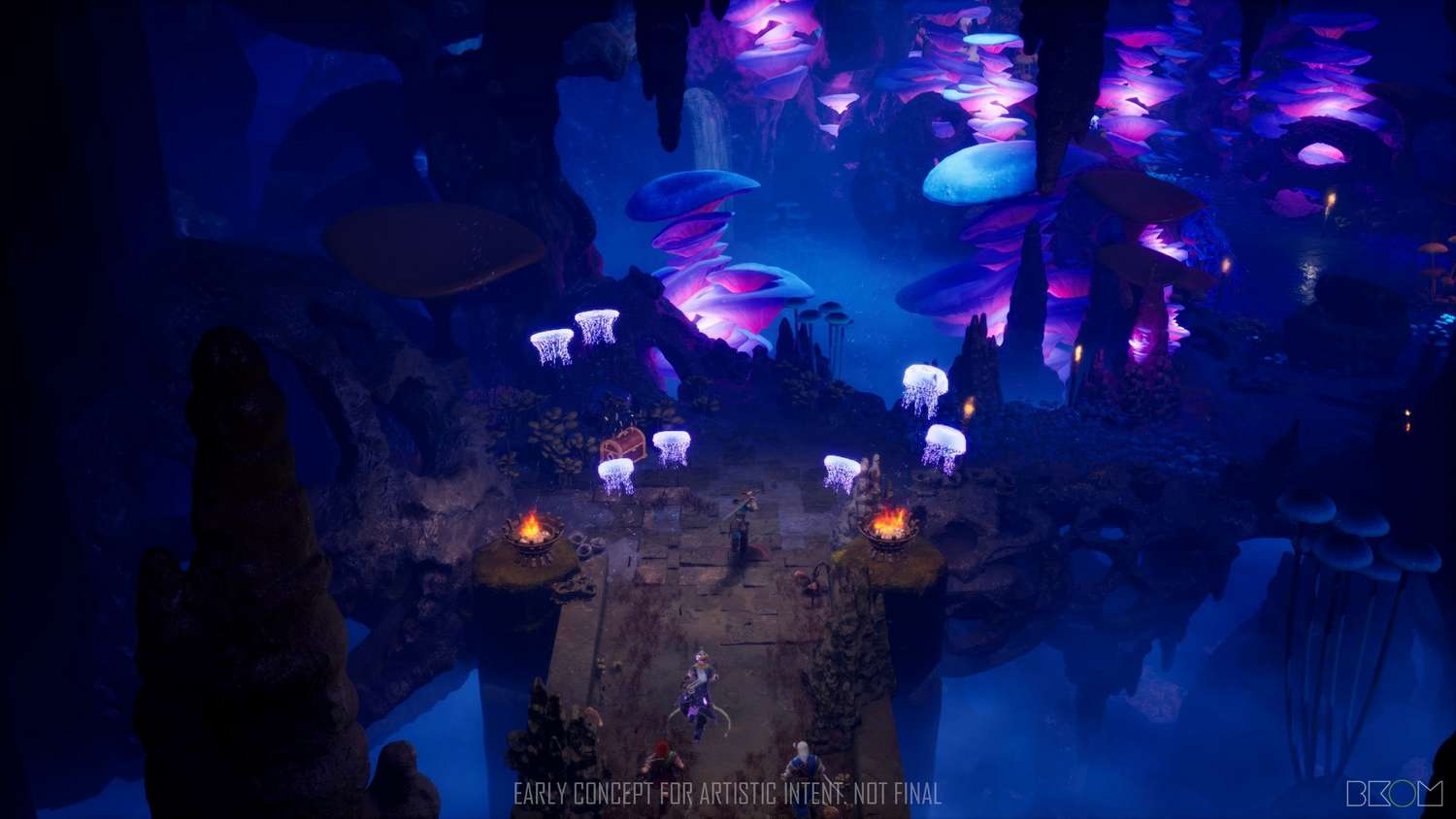
The immersive quality of Mind Labyrinth: Echoes of Doubt is significantly bolstered by its distinctive artistic vision and nuanced sound design. The visual style is often ethereal and abstract, with environments shifting and distorting to reflect Elara’s emotional state. Vibrant colors emerge as she gains confidence, while muted tones and sharp, angular forms represent moments of intense anxiety or self-doubt. This visual metaphor of the ‘labyrinths’ as both physical spaces and mental constructs is exquisitely executed, creating an atmosphere that is both captivating and emotionally resonant.
The soundscape is equally impactful. A hauntingly beautiful, minimalist soundtrack swells and recedes with Elara’s emotional journey. Subtle auditory cues, such as echoing whispers or muffled conversations, effectively convey the feeling of being overwhelmed in social settings, while clear, melodic notes accompany moments of clarity and achievement. The synergy between the game’s visuals and audio creates a truly immersive experience, pulling players deeper into Elara’s internal world and amplifying the game’s message. It’s a testament to the power of atmospheric design in creating a high-value gaming experience that transcends mere visual appeal.
Beyond Entertainment: The Therapeutic Potential of Play
While Mind Labyrinth: Echoes of Doubt is undeniably an entertaining puzzle game, its true strength lies in its potential as a complementary tool for mental wellness. It doesn’t claim to be a substitute for professional therapy, nor should it be viewed as such. Instead, it acts as a digital playground where players can safely explore, understand, and even practice coping mechanisms for social anxiety in a low-stakes environment. It is a powerful example of serious games at their finest, designed with a clear intent to educate and empower.
The game encourages introspection and self-awareness, subtly guiding players toward healthier thought patterns and more resilient approaches to social interaction. For individuals grappling with similar challenges, it can be a source of validation and a gentle introduction to concepts like mindfulness and cognitive restructuring. For the broader public, it fosters greater empathy and understanding towards those living with anxiety, making it a valuable resource for anyone interested in cognitive enhancement and personal development software. Its approach to tackling a sensitive subject matter with grace and intelligence sets a new benchmark for stress relief games.
Why Mind Labyrinth: Echoes of Doubt is a Must-Play Indie Gem
Mind Labyrinth: Echoes of Doubt is more than just a game; it’s an experience that offers profound insights and a genuinely innovative approach to storytelling and puzzle design. It stands out in the crowded indie market not only for its unique premise but also for its masterful execution.
- Unparalleled Innovation: It dares to tackle a complex psychological theme with respect and creativity, setting a new standard for how games can address mental health.
- Deep Emotional Resonance: The narrative and gameplay combine to create a deeply moving and relatable experience that stays with players long after completion.
- Engaging Puzzle Design: The puzzles are clever, challenging, and intrinsically linked to the game’s core themes, providing a satisfying sense of accomplishment.
- High Replayability: With different approaches to solving anxiety-driven challenges and opportunities to explore varied perspectives, players will find reasons to revisit Elara’s journey.
- Positive Impact: It offers genuine value beyond entertainment, fostering empathy, self-awareness, and potentially aiding in the understanding of social anxiety.
For individuals seeking an experience that marries entertainment with genuine personal insight, Mind Labyrinth: Echoes of Doubt is an essential addition to your gaming library. It’s a compelling testament to the power of video games as a medium for empathy, self-discovery, and positive impact. This groundbreaking title proves that digital interaction can indeed be a golden key to unlocking deeper personal understanding and resilience. Do not miss this truly unique interactive experience; it’s a significant advancement in the realm of mental health gaming and a beacon for the future of interactive art.