
PUBG: Battlegrounds PS5 Performance Scrutiny — Why Xbox Series X Retains the Edge in Next-Gen Console Optimization










Popular Now
 Warframe
 Schedule I
 Garena Free Fire: Kalahari
The Legend of Zelda
Garena Free Fire: Kalahari
The Legend of Zelda
 Rust
Black Myth: Wukong
Rust
Black Myth: Wukong
 Free Fire
NBA 2K24
Free Fire
NBA 2K24
 Roblox
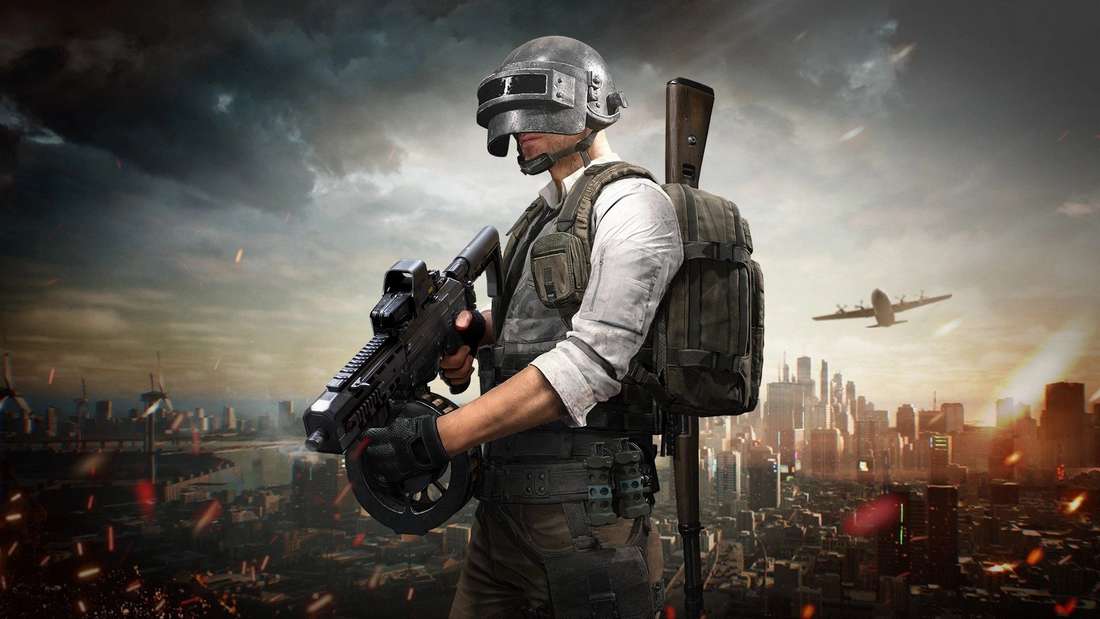 Since its explosive debut, PUBG: Battlegrounds has defined the battle royale genre, captivating millions with its intense gameplay and unforgiving mechanics. As gaming evolved into the current generation of consoles, players eagerly anticipated enhanced experiences on the PlayStation 5 and Xbox Series X. However, a persistent narrative has emerged from the community and technical analyses: the PlayStation 5 version of PUBG: Battlegrounds frequently falls short when compared to its Xbox Series X counterpart, particularly concerning crucial performance metrics. This disparity raises significant questions about developer optimization priorities and the underlying technical challenges in harnessing next-gen hardware effectively.
For a game where every millisecond and every frame can dictate survival, performance is not merely a luxury; it is a fundamental requirement. Both the PS5 and Xbox Series X boast formidable processing power, custom SSDs, and advanced graphics capabilities designed to deliver smooth, high-fidelity gaming experiences. Yet, in the harsh proving ground of Erangel or Miramar, PS5 players often report a less consistent and polished experience, characterized by more frequent frame rate drops and sometimes less stable resolution scaling than what Xbox users enjoy. This situation creates a tangible competitive disadvantage and detracts from the immersive quality expected from premium console gaming.
Dissecting the Performance Gap: Frame Rates, Resolution, and Input Latency
The crux of the performance discussion revolves primarily around frame rate stability and resolution targets. While PUBG: Battlegrounds on both consoles aims for a fluid 60 frames per second (FPS) in its performance mode, independent tests and widespread player feedback suggest that the Xbox Series X maintains this target with greater consistency. The PlayStation 5, conversely, exhibits more pronounced and frequent dips, particularly during high-action sequences, rapid camera movements, or when many players are in close proximity. These frame drops, even if momentary, can significantly impact gameplay responsiveness, making aiming, quick reactions, and precise movement feel less reliable.
Resolution, another critical visual component, also contributes to the perceived difference. While both consoles typically run the game at dynamic resolutions that can scale up to 4K, the Xbox Series X often appears to hold a higher average resolution more consistently. This means sharper textures, clearer distant objects, and a generally crisper visual presentation, which can be crucial for spotting enemies across long distances. Although these differences might seem subtle on paper, in the fast-paced, high-stakes environment of a battle royale, they translate into a superior overall experience for those benefiting from more stable visuals.
Furthermore, while harder to quantify without specialized equipment, input latency plays a pivotal role in competitive gaming. A game suffering from inconsistent frame delivery can indirectly increase perceived input lag, as the time between a player’s action and its on-screen representation can fluctuate. While direct comparisons of raw input latency are complex, a smoother, more consistent frame rate environment inherently contributes to a more responsive feel, which Xbox Series X players report more consistently.
 The Weight of Optimization: Why the Disparity Exists
Understanding why such a performance gap persists requires delving into the complexities of game development and console architecture. While both consoles are powerful, their internal architectures differ, requiring distinct optimization strategies from developers. Factors that could contribute to the PS5’s struggles include:
- Engine Optimization: PUBG: Battlegrounds runs on Unreal Engine 4. Historically, some developers have found certain aspects of Unreal Engine optimization to be more straightforward on Xbox platforms or have had more extensive early access to development kits and optimization tools for Xbox.
- Development Focus: It’s possible that due to a range of reasons, including previous generation development experience or partnership agreements, the development team might have allocated more resources or achieved greater proficiency in optimizing for the Xbox ecosystem.
- Hardware Utilization: Despite the PS5’s raw power, effectively leveraging its unique features, such as the custom I/O complex or specific GPU characteristics, requires deep understanding and tailored code. Inefficient utilization could lead to bottlenecks not present or less severe on the Xbox Series X.
- Backward Compatibility vs. Native Builds: While both consoles run a version of the game that leverages their hardware, the degree to which a native next-gen version versus an enhanced backward-compatible version is implemented can influence performance. Initial releases often relied on backward compatibility modes, which might be less optimized than truly native builds.
The ongoing challenge for developers like KRAFTON, Inc. is to extract maximum performance from both platforms while maintaining content parity. The issue for PS5 players isn’t necessarily a lack of graphical features, but rather a less refined execution of those features under real-time gaming conditions.
Player Experience and Competitive Implications
The performance differences are not just technical curiosities; they have tangible impacts on the player base. For casual players, a less stable frame rate can lead to frustration and a diminished sense of enjoyment. For competitive players, the stakes are even higher. In a game where headshots and quick peeks are critical, any advantage, however slight, in frame rate or visual clarity can translate into a significant edge. This creates an uneven playing field in cross-platform matches, potentially influencing the perceived fairness and competitive integrity of the game.
Community forums and social media are rife with discussions and complaints from PS5 players highlighting these issues, often accompanied by calls for more dedicated optimization patches. While the developers have released numerous updates over the years addressing bugs, adding content, and making general improvements, the core performance disparity between the PS5 and Xbox Series X versions of PUBG: Battlegrounds appears to be a more deeply rooted challenge that has yet to be fully resolved.
The Road Ahead: Hopes for True Next-Gen Parity
The PlayStation 5 is an incredibly capable console, and its ability to deliver stunning visuals and fluid gameplay has been demonstrated across a myriad of other titles. This makes the persistent performance gap in PUBG: Battlegrounds all the more perplexing and disappointing for its dedicated player base on the platform. The demand for a truly optimized, consistently high-performing version of PUBG on PS5 remains strong.
For the long-term health and competitiveness of PUBG: Battlegrounds, ensuring performance parity across all current-generation consoles should be a paramount goal for the developers. This would involve a dedicated focus on engine-level optimizations, potentially leveraging specific PS5 hardware capabilities more effectively, and rigorous testing to iron out the frame rate inconsistencies and resolution scaling issues. Until such a significant overhaul or targeted optimization push occurs, the Xbox Series X version of PUBG: Battlegrounds will likely continue to be regarded as the superior console experience, a testament to the critical role of optimization in modern next-gen console gaming.