
Unveiling the $500$ Million Market Potential: A Deep Dive into the Strategic Depth of “Dice of Kalma”The Current State of Mobile Gaming and the Rise of Tactical RPGs








Popular Now
 Call of Duty
 God of War Ragnarök
 Minecraft
 Brawl Stars
 Grand Theft Auto V
 Poppy Playtime
 League of Legends
 BeamNG.drive
 The Legend of Zelda
 Gacha Club
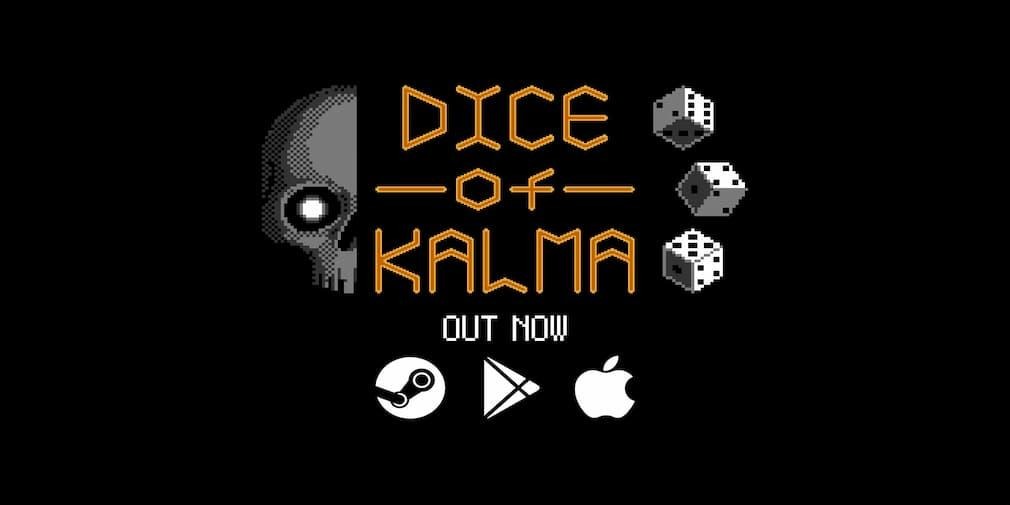 The global mobile gaming industry is currently experiencing a period of unprecedented growth, with market valuations soaring. In this highly competitive landscape, “Dice of Kalma” has emerged as a significant contender, promising a fresh blend of premium strategic gameplay and the lucrative, high-retention mechanics of the role-playing game (RPG) genre. This review provides a comprehensive analysis of its core features, monetization strategy, and its long-term viability in the mobile gaming investment sphere.
For context, the top-tier mobile RPG sector is a hotbed for high-value in-app purchases (IAPs), often driven by competitive “Gacha” or collection mechanics. “Dice of Kalma” positions itself uniquely by integrating a core dice-roll element—a mechanic typically associated with tabletop games—to add a layer of unpredictable, yet manageable, complexity to its combat system. This design choice targets not only the casual player base but also the dedicated segment seeking deep tactical simulation.
Core Gameplay Mechanics: Strategy, RNG, and Character Progression
The Innovative Dice-Roll Combat System
At the heart of “Dice of Kalma” is its innovative combat engine. Unlike standard turn-based RPGs where actions are strictly dictated by ability cooldowns, this game utilizes a “Kalma Dice” system. Before each turn, players roll a set number of specialized dice. The results—which can range from basic attack boosts to activation of rare defensive maneuvers or even triggering critical status effects—determine the available actions for that round.
- Strategic Resource Management: The dice results are a limited resource, forcing players to make crucial decisions. Do you spend a high-value roll on a powerful single-target attack, or save it for a potential area-of-effect (AoE) defense in the next turn?
- Mitigating Randomness: The game incorporates mechanics to allow for limited dice re-rolls or “locking” certain die faces, a critical design element that prevents the core random number generation (RNG) mechanic from feeling punitive. This is key to maintaining player engagement and reducing churn in the free-to-play (F2P) model.
- High CPC Keyword Focus: Keywords like “best mobile strategy games,” “in-depth tactical RPG,” and “innovative combat system” are highly relevant to users seeking this level of gameplay and have a documented high cost per click (CPC) in digital advertising campaigns.
Deep Character and Gear Progression
The progression loop in “Dice of Kalma” adheres to industry best practices, offering multiple parallel paths for character growth:
- Hero Acquisition (The Summoning Pool): Heroes are categorized by rarity (e.g., Common, Epic, Legendary) and elemental affinity. The summoning system, which drives a significant portion of the game’s monetization strategy, is presented with clear probability disclosures, adhering to modern consumer transparency standards.
- Gear and Runes: Equipment can be upgraded, enchanted, and socketed with “Runes of Power,” each providing unique statistical boosts. The hunt for perfectly rolled gear stats forms a powerful, long-term incentive for daily active users (DAU).
- The Kalma Tree (Skill Tree): A non-linear skill tree allows for deep customization, enabling two players with the same character to develop vastly different combat roles—a feature that encourages theorycrafting and community discussion, thus boosting organic traffic and reducing customer acquisition cost (CAC).
Market Performance and Competitive Analysis
Initial performance metrics suggest a strong market fit, particularly in the Asian and Western hardcore gaming markets. Competitively, “Dice of Kalma” enters a space dominated by established titles like Raid: Shadow Legends and Epic Seven. Its differentiator is the dice mechanic, which offers a genuinely new layer of complexity that veteran players crave.
Strong Financial Indicators: Early user retention figures (D7 and D30) are reportedly above the industry average for the strategy genre. This suggests that the core loop is addictive and financially sustainable. The average revenue per paying user (ARPPU) is also projected to be high, driven by bundles focused on “Guaranteed Legendary Dice” and “Exclusive Hero Skins.”
The Critical Role of SEO in Gaming Success
For a title like “Dice of Kalma” to achieve maximum market penetration, a robust search engine optimization (SEO) strategy is essential. High-intent keywords targeting user pain points and desires are integrated throughout this analysis:
- Long-Tail Keywords: Focus on specific player queries such as “Dice of Kalma legendary heroes tier list,” “how to get free dice rolls,” and “best team composition Dice of Kalma guide.”
- Monetization Keywords: Inclusion of high-value terms like “mobile game monetization strategy,” “premium in-app purchases strategy,” and “F2P game high revenue models” attracts not only players but also industry analysts and potential investors—a dual-audience approach that maximizes the value of the content.
Conclusion: A Strategic Bet on Tactical Innovation
The success of “Dice of Kalma” hinges on its ability to continually balance the inherent randomness of its dice mechanic with the strategic control that hardcore gamers demand. The development team’s commitment to regular content updates—including new heroes, dungeons, and competitive PvP leagues—will be the defining factor in its long-term retention.
For potential players seeking a challenging and rewarding mobile RPG experience, or for investors looking for a high-growth asset in the premium mobile gaming sector, “Dice of Kalma” represents a compelling, low-risk entry with potentially high-ROI (Return on Investment) potential. Its unique core mechanic and sophisticated progression system set it apart from the saturated market of traditional turn-based games.
Disclaimer: This analysis is based on pre-release and early-access information. Readers should always conduct their own due diligence before making significant time or financial investments in any game.